NJ schools laws expand pre-K, require free, full day kindergarten


NJ 2025 State of the State: Phil Murphy on public education
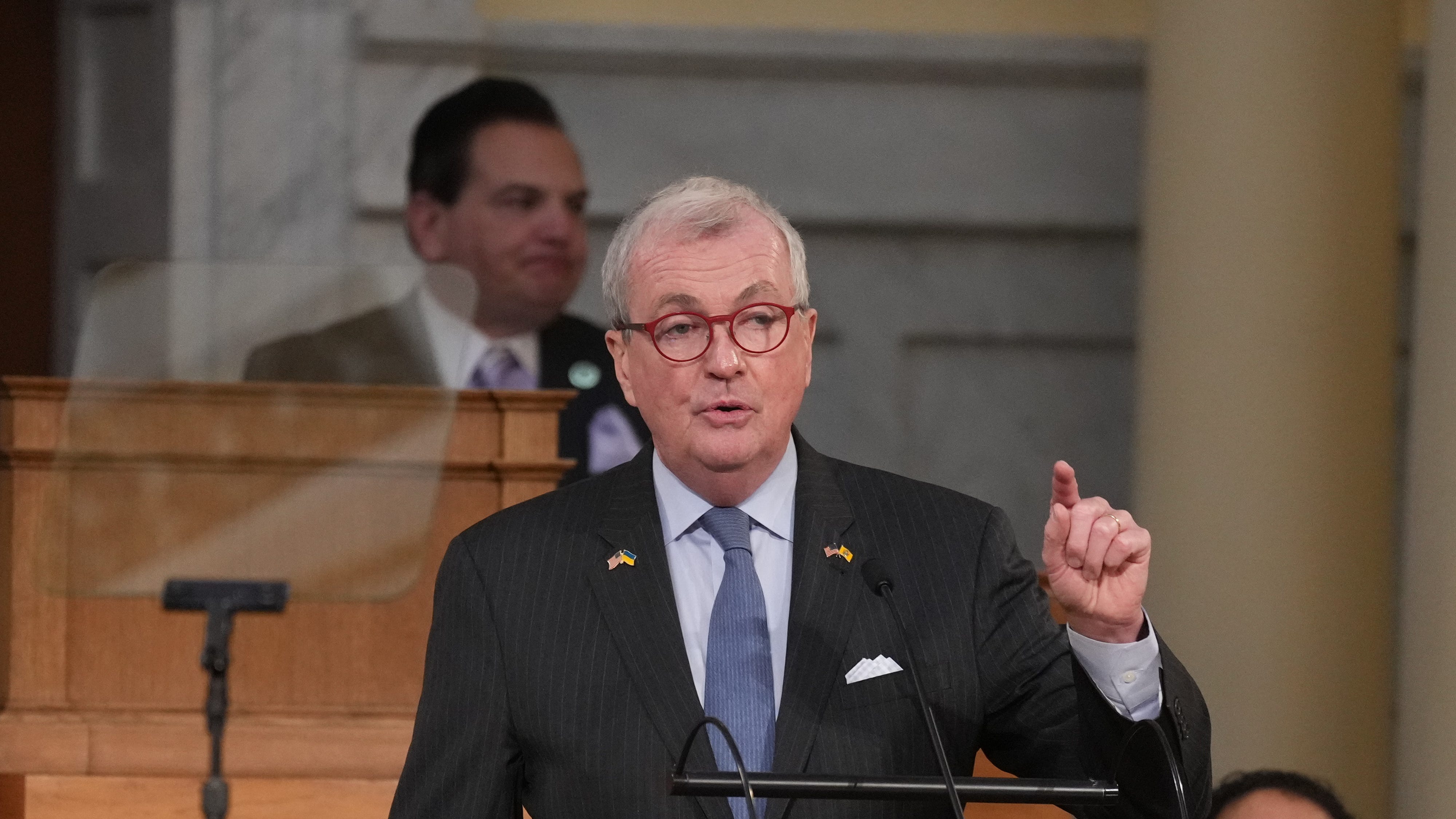
New Jersey Gov. Phil Murphy gave his final State of the State address. Here he talks public education.
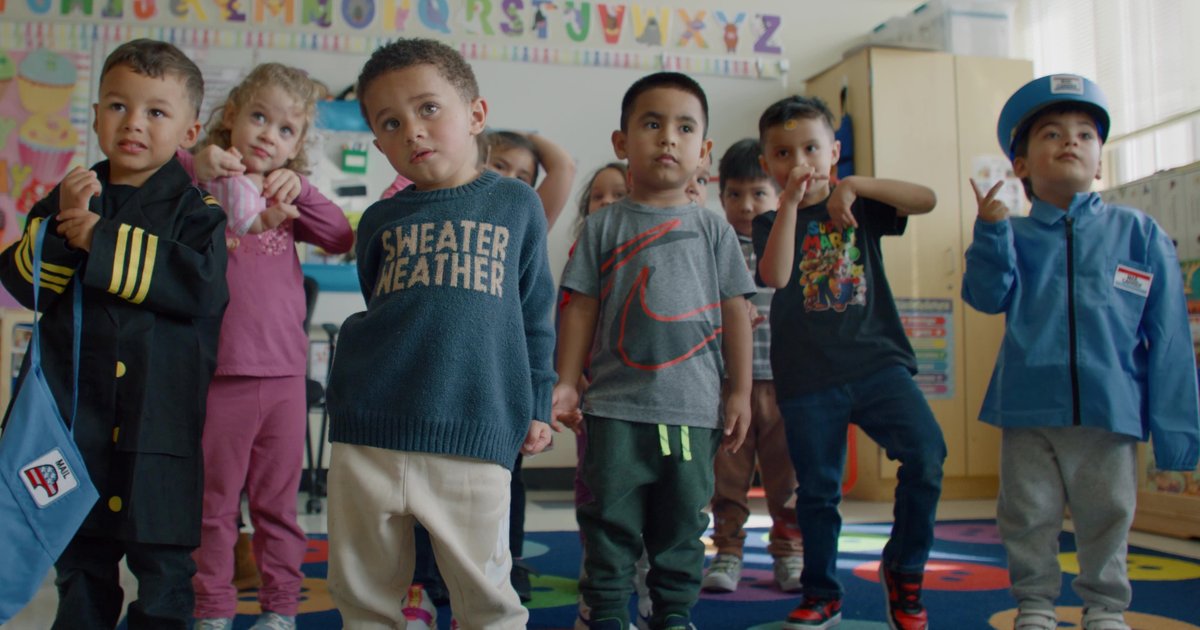
Free, full-day kindergarten will soon be mandatory in New Jersey, and school districts have four years to implement their programs, according to new laws signed by Gov. Phil Murphy on July 9.
While federal law mandates free and compulsory school from grades 1 to 12, it does not include free kindergarten. Full-day kindergarten in all public schools will be free by the 2029-2030 school year in New Jersey, under the law. Districts that are not able to implement a program by the deadline can enter into send-receive agreements with neighboring districts, the governor’s office said.
The new law also cements the Murphy administration’s goal to provide universal, high-quality pre-K across the state. It makes into law the administration’s practice of expanding preschool offerings in its annual budgets, reflecting the governor’s often-touted priority to provide free, full-day kindergarten and early childhood education for all children 3 and 4 years old.
So far, 229 of the state’s 590 school districts have been added to the free preschool program since the administration’s first year, the governor’s office said, amounting to an additional $600 million spent on expanding preschool access over seven years. In total the state is spending $1.2 billion to sustain preschool programming, it said.
Most advocates, including professional organizations representing school superintendents, principals and supervisors, and private providers applauded the move. Research shows that early childhood education drives academic achievement.
“Access to high-quality early education programs is critical for our children,” Murphy said, signing the law in a Plainfield school, and can “set the tone for the rest of their academic careers,” by fostering literacy and social development. Sens. Teresa Ruiz, D-Essex, and Shirley Turner, D-Mercer, were among the bill’s sponsors.
The state’s preschool funding formula is also now codified into law, separate from the existing state school funding formula that awards annual aid to districts. A separate law allows school boards to grant preschool contracts to private providers for up to three years, a move that the businesses welcomed.
One key advocacy group, the Education Law Center, while supporting the law’s making early education universally available, warned against its impact on low-income districts. Until now, low-income districts where at least 40% of students qualify for free or reduced school lunch were eligible for free pre-K funding for all students, Danielle Farrie, research director at the Education Law Center, told NorthJersey.com. The state’s wealthier districts were eligible for preschool funding on a per-student basis if they qualified as needing state funds.
The new law blurs this distinction, Farrie said, and puts in place the framework for a system in which the state and local revenue share the cost of providing free, high-quality preschool. The law has a three-year pilot program to test this model. If it is adopted, the result could be that low-income districts are underserved while wealthier districts continue to benefit.
Some 9,000 students in low-income districts eligible for free pre-K were still not enrolled in June, while the state has funded over 24,000 seats in about 150 wealthier districts, the Education Law Center told lawmakers in testimony submitted in June. Before moving on to a goal of universal expansion, the state should address capacity issues in the low-income communities that have been entitled to universal high-quality preschool since 2008, and improve participation in pre-K in those areas, the center said.
“The pilot makes sense for wealthier districts but makes it unclear for low-income districts that have so far been fully funded. Are they likely to continue to expand their programs if it requires local revenue to do so?” Farrie said. “We don’t oppose universal preschool, but we think this bill is creating more obstacles for some districts and not sufficiently targeting expansion among the kids in the state who most need that early childhood experience to be prepared for kindergarten,” she said.
link