Lurie Vows to Speed Up Universal Access to Child Care: ‘We’re Going to Be the First’
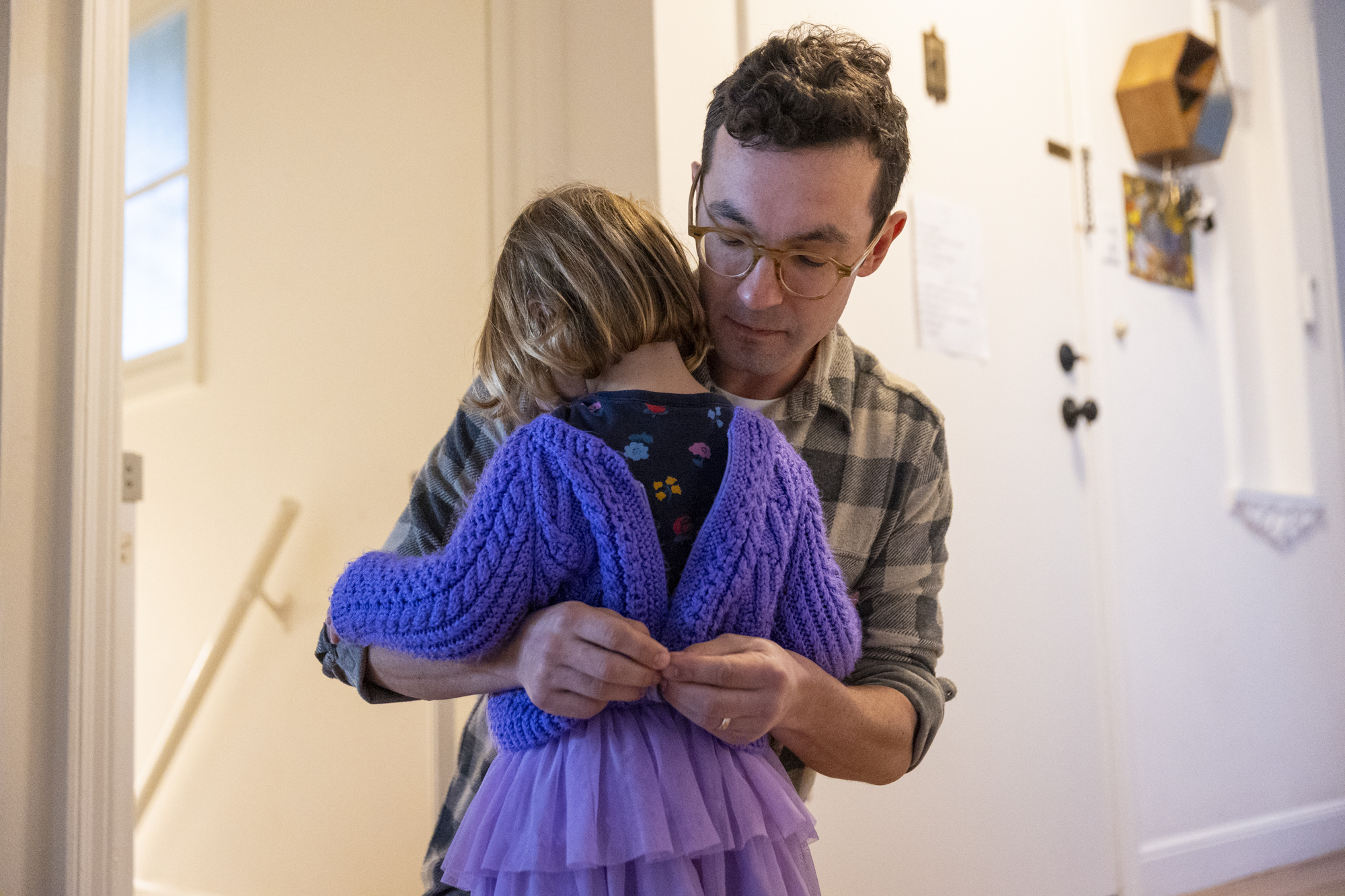
“Families are being forced to make impossible choices — delaying having children, sacrificing savings, or leaving the communities they call home,” he said. “I will not let that be the future of San Francisco.”
The news offered relief for Klevan, who qualifies for child care subsidies under the new eligibility requirement.
“It would be a huge difference for our family,” she said.
The subsidies will help her pay for more hours of preschool for her daughter, she said.
More than $550 million in unspent money and ongoing funds from a commercial real estate tax that voters approved in 2018 will pay for the expanded subsidies. The goal of the tax measure, dubbed Baby Prop C, was to provide early education and care for all children under 5 years old. But revenue from the measure was tied up by a lawsuit that was resolved in 2021.
The city began by first offering free child care to low-income families, then tuition assistance to families earning between 111% to 150% of the area median income.
The plan also called for increasing the eligibility threshold to cover families making up to 200% of the area median income, but the city didn’t offer a timeline. That left some child care advocates frustrated by the pace of the city’s ambitious plan to offer universal child care.
Supervisor Stephen Sherill had previously requested a Feb. 4 hearing with the city’s Department of Early Childhood to ask whether the expansion could happen sooner.
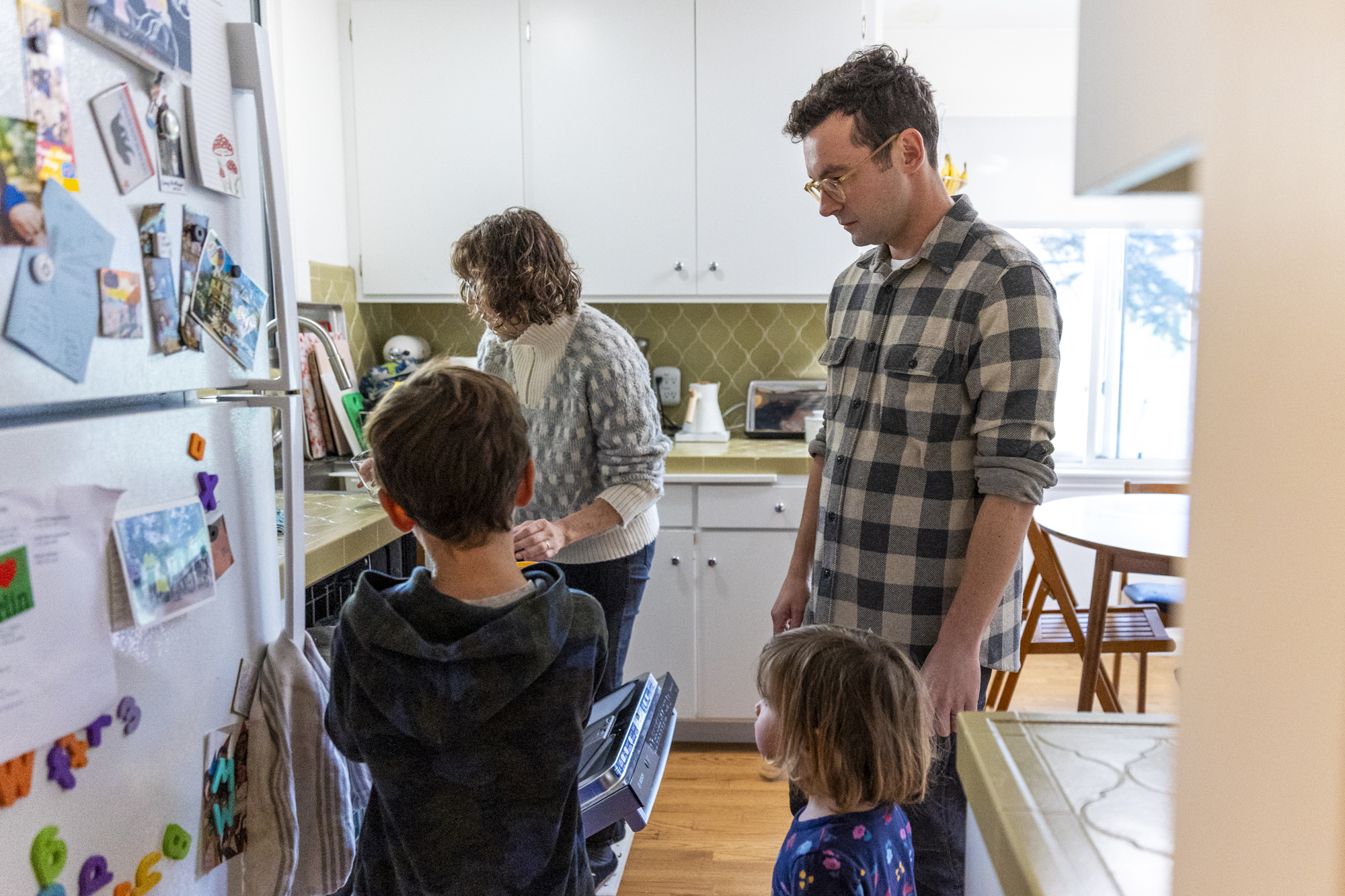
“One of the biggest expenses for young families is child care, some paying $3,000 a month per child in some cases,” he said Wednesday. “That is a crazy amount because that’s after taxes. That is a massive expense.”
Sherill also cited concerns about how the department is getting the word out to families about their eligibility for the subsidies. After San Francisco expanded them to families earning up to 150% of the area median income in May 2024, only about 200 families signed up, according to data provided by Wu Yee Children’s Services, which is responsible for enrolling eligible families.
“That’s a comically low number,” he said. “Does every pediatrician’s office know about this, and are they telling their patients? Does everyone who leaves the maternity ward in San Francisco get information about this? When a family signs up online for a slot, are they informed of this subsidy?”
Sherill asked, “If not enough people take advantage, then what is the point of this program?”
Editor’s Note: This story was updated on Jan. 15, 2026, to correct Klevan’s monthly child care expenses and include additional quotes from Lurie.
link