Guilford schools mental health grant to end
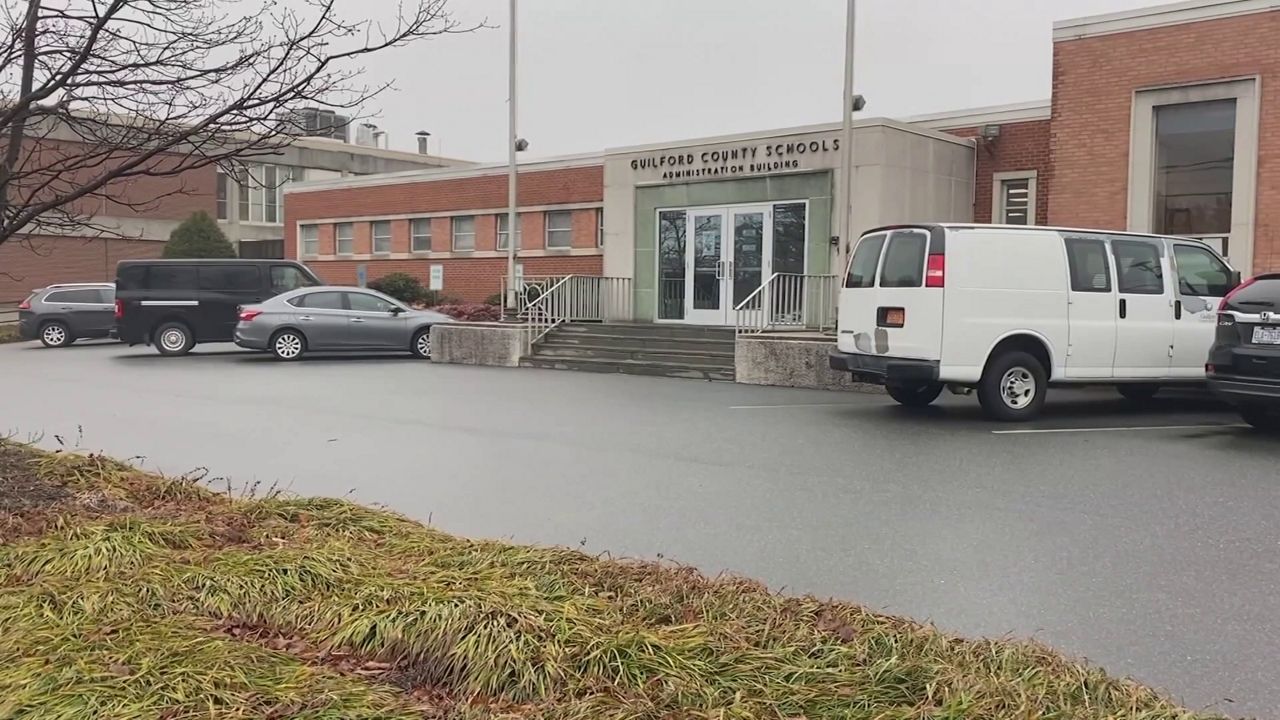
A school mental health grant is being taken away from a pair of North Carolina school districts.
Two districts, Guilford County Schools and Wake County Schools, were notified in spring that funding for the School-Based Mental Health Services Grant Program would not extend beyond December.
Guilford schools was entering year three of the program, whereas Wake schools planned to start using its funds this fall.
The money was so students could access therapeutic services.
The Department of Education is cutting that money, and it could undo the good achieved through the grant.
The executive director of this grant program for Guilford schools talked about next steps, what this means for the district and the appeal to get the money back.
Guilford County Schools is the third-largest public school district in the state.
Dr. Alex Tabori, executive director of mental and behavioral health services, says the millions of dollars that have come through the federally funded initiative have changed lives for the better.
“We’re showing the benefits that our students and staff and our families are getting from the implementation of this grant,” he said.
Guilford County Schools is a system with nearly 70,000 students from kindergarten through 12th grade.
Tabori said the grant has connected students with therapeutic resources like never before.
“We’ve seen significant growth from the students that are directly impacted by the services that we that are able to provide through the grant, but also just kind of schools in general being indirectly impacted just because of access, professional learning, professional development,” he said.
The psychologist said the program has documented benefits.
“I don’t have all the answers for why the funding was clawed back,” Tabori said.
The Department of Education was asked why the grant money will stop and where the $9 million left to spend for the program on behalf of the district will go.
The deputy assistant secretary for communications, Madi Biedermann, did not directly address the reasons why but said, “The Trump administration will review applications based on detailed plans to address the unique mental health needs of a community and pathways to getting high-quality mental health professionals in k-12 schools.”
Tabori lists the following as proof of growth:
- Reduced absenteeism
- Improved behavior
- Academic engagement
- 50% reduction in threat assessments
- Decreases in administrative disciplinary referrals
“Because we know this works, and we know that the students need it and want it, and like it,” Tabori said. “We know that the parents, we hear from parents all the time about the success that they have seen in their students. And we hear the same thing from teachers and administrators.”
The money allowed Guilford schools to hire almost 50 clinicians, 12 in-house and the rest contracted.
Tabori said they serviced more than 2,000 students, provided more than 20,000 therapy sessions, better identified at-risk students sooner, gave them supports in the classroom and interventions outside of it.
He said students can be seen by a clinician in a week’s time, whereas the private health care sector would take weeks or even months.
“The turnaround time internal versus out in the community is drastic,” Tabori said. “Our goal is to do everything we can to support our students in whatever that looks like and hopefully this grant is going to continue to be a part of that.”
Tabori said the school system provided all the supporting materials to the Department of Education to show the district is in alignment with the priorities of the current administration.
He said this program is teaching students healthy coping skills, how to deal with stress and manage anxiety, all the while getting to the bottom of significant behavioral concerns by triaging their needs on a case-by-case basis.
He also says the district continues exploring all opportunities to replace the funding should the grant come to an end.
link